
Electric Three-Wheel Motorcycles: The Future of Eco Food Trucks
Electric three-wheel motorcycles are entering the future of the food truck and mobile vending industry. These innovative vehicles are transforming how entrepreneurs operate small businesses, offering sustainability, flexibility, and significantly lower operating costs. As cities become more crowded and environmental awareness grows, electric three-wheel motorcycles are quickly becoming the preferred choice for modern food vendors and eco-conscious riders.
1. Advantages of Electric Three-Wheel Motorcycles
One of the greatest strengths of electric three-wheel motorcycles is their environmental impact. These vehicles eliminate fossil fuel usage, dramatically reducing carbon emissions and helping combat climate change. With zero tailpipe emissions, they contribute to cleaner air and healthier urban environments.
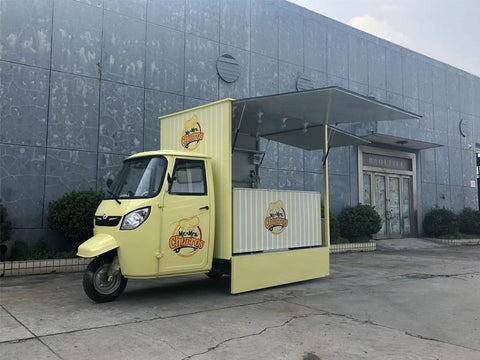
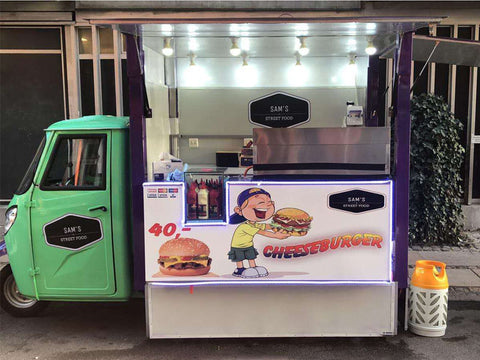
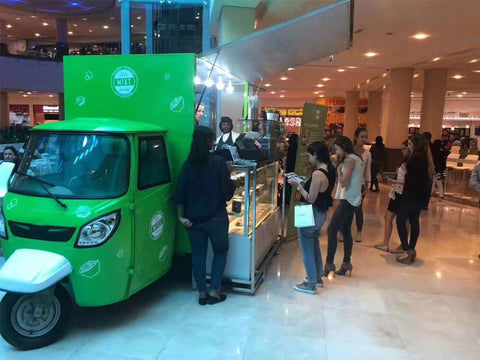
Their compact size and excellent maneuverability make them ideal for crowded cities, narrow alleyways, parks, and event zones. Whether you're running a mobile coffee cart, food truck, or beverage stand, electric three-wheel motorcycles provide stable, reliable mobility for business owners looking to operate in dense environments.
If you are searching for a food business concept that offers sustainability, efficiency, and low cost, electric three-wheel motorcycles are one of the best solutions available
2. Environmental Benefits
When it comes to sustainability, electric three-wheel motorcycles stand out. Powered by electric motors instead of internal combustion engines, they produce zero emissions and operate quietly, making them a friendly option for neighborhoods and commercial areas.
These models typically require only five lead-acid batteries to run a full day of business. With no gasoline consumption and fewer mechanical components, they not only support environmental goals but also significantly reduce your daily operating expenses.
3. Cost Savings and Incentives
Beyond environmental advantages, electric three-wheel motorcycles deliver impressive cost savings. Electricity is far cheaper than gasoline or diesel, and charging an electric vehicle costs only a fraction of refueling a traditional motorbike or truck. Over time, this translates into thousands of dollars saved.
Governments worldwide now support electric vehicle adoption through tax credits, rebates, and subsidies. Many regions offer financial incentives specifically for electric motorcycles. Some areas even invest heavily in public charging infrastructure—installing chargers in parking lots, shopping centers, workplaces, and city hubs.
This expanding network makes it increasingly convenient for riders to recharge their electric three-wheel motorcycles wherever they go.
4. Charging Infrastructure
A strong charging network is one of the keys to supporting electric vehicle growth. Fortunately, the infrastructure for electric three-wheel motorcycles is expanding rapidly.
Charging options include:
-
Home charging (overnight convenience)
-
Workplace charging
-
Public charging stations with fast-charging options
With more cities adding public chargers every month, riders can easily recharge while shopping, working, or completing deliveries.

5. How to Start and Operate an Electric Three-Wheel Motorcycle
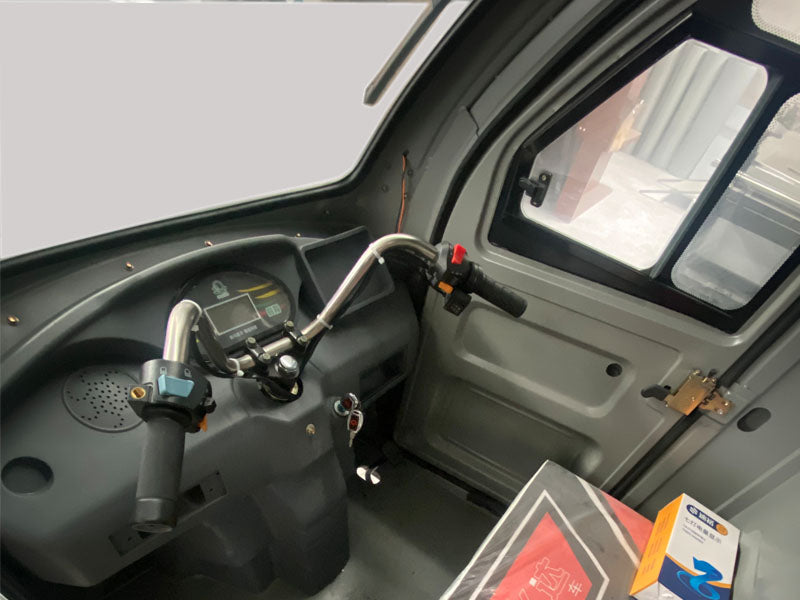
Operating electric three-wheel motorcycles is incredibly simple. Inside the driver’s cabin, you’ll find an instrument panel, steering wheel, and a motor start knob. Insert the ignition key, turn the knob, and the dashboard will display battery capacity. A forward and reverse switch lets you control movement with ease.
A foot brake pedal provides stable braking, while a handbrake adds extra security when parked. Most new users can fully learn how to drive an electric three-wheel motorcycle in just a few minutes.
In addition, electric vehicles require minimal maintenance. With fewer moving parts and no oil changes, upkeep is far cheaper than traditional engines.
6. Safety Features
Safety is essential, and electric three-wheel motorcycles excel in this area. The three-wheel design offers outstanding stability, reducing the risk of tipping—especially at low speeds or during tight turns. Riders enjoy greater confidence, making these vehicles excellent for commercial operations where safety is crucial.
Additional safety features may include:
-
Reinforced chassis
-
LED headlights
-
Hydraulic braking systems
-
Anti-skid tires
These upgrades ensure a secure and reliable riding experience for both business owners and customers.

7. Government Incentives and Support
As the world transitions toward electric mobility, governments provide strong support for the adoption of electric three-wheel motorcycles. Financial incentives, reduced registration fees, tax credits, and free charging in some cities significantly lower ownership costs.
These supportive policies make now the best time to invest in electric vehicles for food trucks, coffee carts, delivery services, and mobile vending businesses.